
Each of the last five presidents has had his merits and issues. While each person seems to have his or her own favorite leader of the free world, everyone respects the presidency as a vital role filled with good people. Here are three of the key financial policy differences between the last five leaders.
Contents
#40Ronald Reagan
TERM: 1981-1989
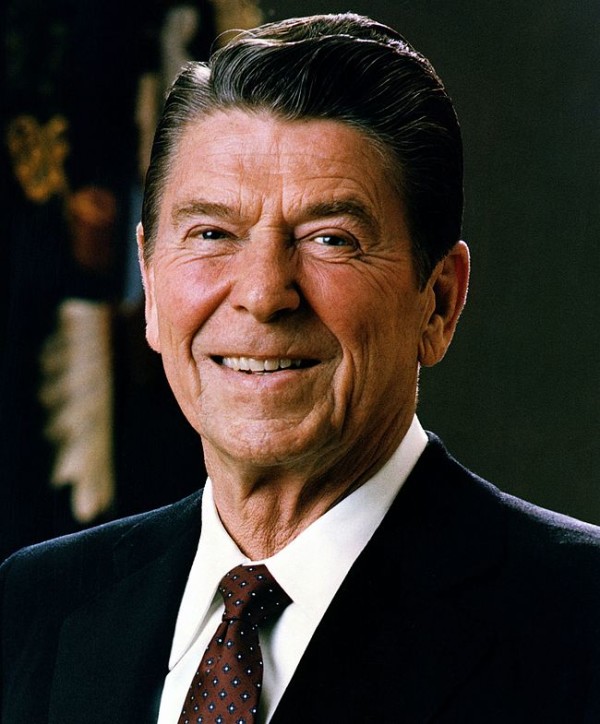
Paul Harvey coined the portmanteau ‘Reaganomics’ to describe the economic status of this United States President’s reign. Here are the key elements of Reaganomics:
- Supply-Side Economics (AKA “Trickle-Down Economics”): This complicated issue is best understood by reading Investopedia’s piece.
- Reducing the Growth of Government Spending: Reagan sought to reduce the growth of spending in order to preserve a better nation for the children to inherit.
- Reducing the Federal Income Tax: As President, he was troubled by the burden middle-class workers faced with their steep Federal tax.
#41George H. W. Bush
TERM: 1989-1993
President Bush was beloved and understood by his public. Even those who disagreed with his policies respected them, which left his reign so intact that his son was able to sweep in easily as a president. Here are his key financial policies and problems:
- Financial Drain of Two Wars: President Bush had to balance the economy during two wars, which left the nation troubled.
- “Read My Lips: No New Taxes!”: The popular phrase coined by Peggy Noonan helped Bush to win the election, just before he raised the taxes.
- Reduced National Deficit: While President Bush quickly made a liar of himself after the election, he did so in order to reduce the national deficit, which many Americans appreciated.
#42Bill Clinton
TERM: 1993-2001


Charismatic and smart, President Bill Clinton was known for his savvy wife’s deeds as well as his own. Here are three of his financial policies:
- Financial Services Modernization Act: This act allowed businesses to invest in one another.
- Budget Surplus: While Clinton left the White House with a major surplus, it was also marked by the gradual downturn of the economy.
- Economic Boom: President Clinton enjoyed the economic boom that began just before his presidency. The economy expanded by as much as 50% during his tenure.
#43George W. Bush
TERM: 2001-2009
George W. Bush had some interesting financial policies and strategies throughout his presidential stay. Here are three that most people readily recall:
- Reforming Tax Policy: President Bush employed powerful experts such as Mark Weinberger (Assistant Secretary of the US Treasury) to reform tax policy.
- Economic Growth & Tax Relief Reconciliation Act: Bush worked with advisors to relieve the strain middle-class Americans felt paying taxes.
- Subprime Mortgage Crisis: The first groans of the recession were felt during the Bush Administration.
#44Barack Obama
TERM: 2009-2017
While many people disagree with Obama-care and other policies, many Americans like what he has done economically. Here are his three key financial policies:
- Creating American Jobs: Due to the large-scale unemployment Americans faced during and after the recession, Obama focused on creating new jobs.
- Security for the Middle Class: President Obama advocates for the middle class as a necessary group in society, and one that should not be minimized.
- Supporting Small Businesses: Obama seeks to support ana aid small businesses, as he believes they are a valued aspect of our future.
Not every act or policy is popular. These five presidents had to deal with disappointment on one side of the aisle or the other, regardless of the overall benefit of their policies.