
Funniest Road Signs Ever Spotted
Road signs are meant to keep us safe, but some of them end up delivering laughs instead. In an era when electronic highway messages face new restrictions starting in 2026, these humorous gems from around the world stand out as memorable snapshots of creativity on the open road.
Whether they feature clever wordplay, unexpected warnings, or plain old absurdity, funny road signs turn ordinary commutes into moments of delight. Here are the most hilarious ones ever captured by drivers and travelers.
1Buckle Up, Windshields Hurt
This straightforward yet punchy electronic sign appeared on highways in several U.S. states, reminding drivers to fasten their seatbelts with a blunt dose of reality. The message cuts through the usual bureaucratic tone by painting a vivid picture of what happens when safety is ignored. It was part of broader campaigns that mixed humor with serious reminders before stricter federal rules took effect.
The sign's impact comes from its brevity and dark humor that sticks in your mind long after you pass it. Drivers often reported slowing down just to snap a photo, proving that a well-placed joke can reinforce the message better than dry text alone. Its popularity made it one of the most shared safety signs on social media in recent years.
Similar blunt warnings have appeared in other regions, but this version's direct address to the windshield gives it a unique edge. It stands out from generic buckle-up reminders by implying consequences without graphic images. The sign's design kept it simple, using bold white letters on a black background for maximum readability at highway speeds.
If you spot something like this on your next trip, take a moment to appreciate how humor can save lives. Check state transportation department archives or road trip blogs for archived photos of these now-rare messages. They represent a brief window when agencies experimented with personality before the 2026 policy shift.
2We'll Be Blunt, Don't Drive High
Another electronic message that paired cannabis awareness with straightforward language, this sign popped up in states where recreational marijuana is legal. It used the double meaning of "blunt" to deliver an anti-impaired-driving reminder that felt contemporary rather than preachy. The timing aligned with changing laws and public conversations about responsible use.
What makes it memorable is the casual, almost conversational tone that cuts through typical government messaging. Motorists shared photos of it widely, noting how the pun landed perfectly without feeling forced. It managed to be both funny and effective at grabbing attention in a sea of standard warnings.
Compared to older "Don't drink and drive" campaigns, this one felt fresher because it addressed a newer concern with modern slang. The sign's creators clearly understood their audience and the cultural moment. It avoided moralizing and instead opted for relatable humor that encouraged compliance through laughter rather than fear.
Look for similar creative messaging on your drives through states with evolving cannabis regulations. Many transportation departments still post archived images on their social channels, letting you relive the cleverness even as policies tighten.
3Four I's in Mississippi, Two Eyes on the Road
Used by the Mississippi Department of Transportation since 2018, this clever safety sign plays on the state's name to remind drivers to stay focused. It cleverly counts the letters while emphasizing attention, turning a geography lesson into a memorable warning. The sign appeared on digital boards across the state and quickly became a fan favorite among locals and visitors alike.
Its strength lies in the regional pride it taps into while delivering a universal message. Drivers from Mississippi often shared it with out-of-state friends, sparking conversations about safe driving habits. The pun works because it feels personal rather than generic, making the reminder more likely to stick.
This approach differs from national campaigns by leaning into local identity. Other states have tried similar wordplay, but Mississippi's version stands out for its simplicity and charm. It shows how transportation departments can use regional flavor to make safety messages more engaging without sacrificing clarity.
Next time you're driving through the South, keep an eye out for similar state-specific humor. Mississippi DOT's social media accounts often feature throwback photos of these signs, giving you a chance to see the full collection of creative messages they used before restrictions tightened.
4Taylor Swift Anti-Hero Reference Sign
The Mississippi DOT once referenced Taylor Swift's hit song "Anti-Hero" in a safety message, twisting lyrics into a reminder about staying alert behind the wheel. The sign read something along the lines of keeping "two eyes on the road" with a nod to the track's themes. It demonstrated how agencies can tap into pop culture to reach younger drivers.
The sign went viral almost immediately because it felt current and unexpected on a highway. Fans of the artist shared it widely, turning a safety tool into a pop-culture moment. Its cleverness proved that even serious topics can benefit from timely cultural references when done tastefully.
Unlike traditional warning signs, this one created a sense of shared knowledge between the agency and drivers familiar with the song. It stood out in a landscape of standard text by making drivers smile and sing along in their heads. The approach highlighted how humor and relevance can boost message retention far beyond dry instructions.
Search Mississippi DOT archives or Swift fan communities for preserved images of this sign. It captures a fun moment when highway messaging briefly embraced pop culture before the shift toward stricter, no-frills displays.
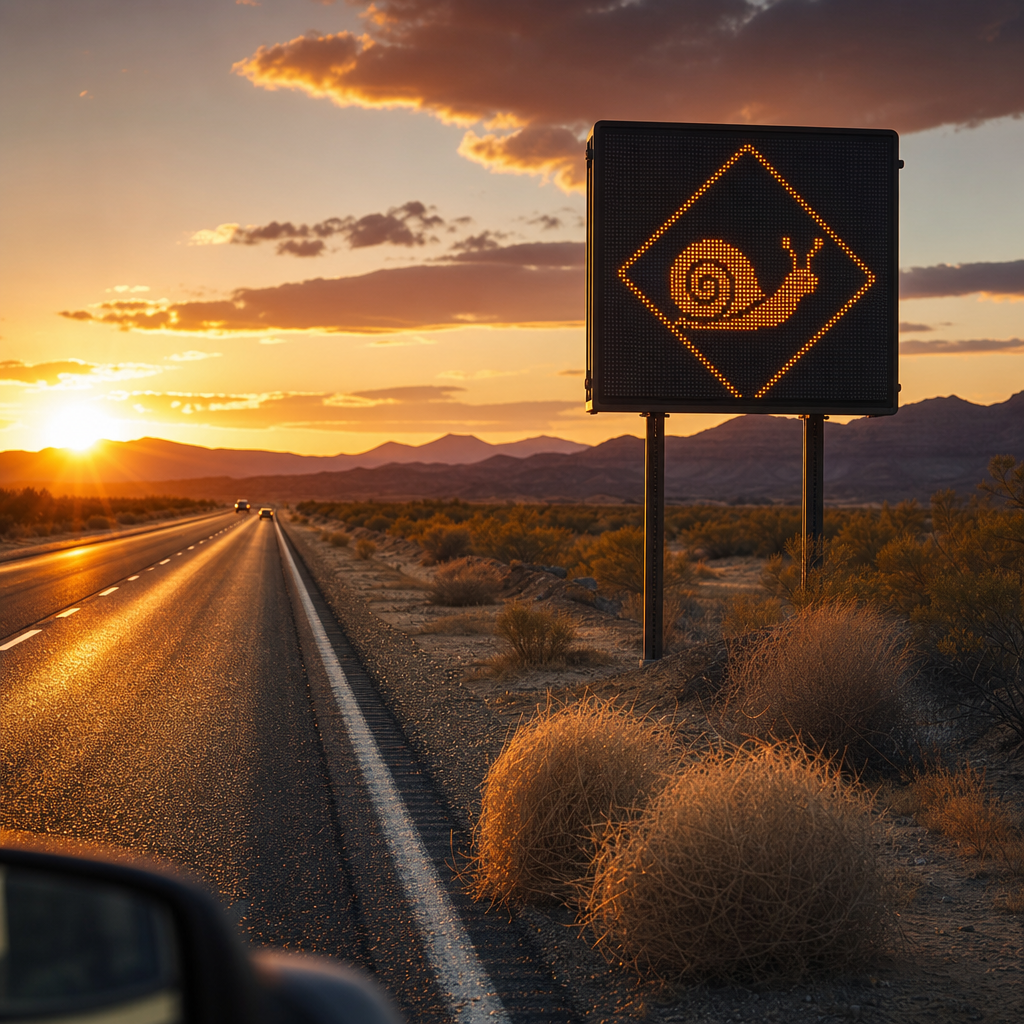
5Four Way Stop Please
This polite variation on the standard stop sign appeared in various neighborhoods, adding "please" to encourage courteous behavior at intersections. The addition turns a command into a request, softening the tone while still delivering the safety instruction. Drivers who encountered it often commented on how the simple word changed the entire vibe of the sign.
The sign's charm comes from its unexpected civility in a world of blunt traffic directives. It invites cooperation rather than demanding obedience, which can make intersections feel friendlier. Many people reported that seeing it made them smile and actually stop more carefully as a result.
Similar polite signs have appeared in other countries, but the American version feels particularly homey. It contrasts with more aggressive "Stop" messaging by assuming drivers will respond positively to kindness. The approach shows that even the most basic road furniture can carry personality when designers think creatively.
Keep an eye out for these in suburban areas or small towns during your travels. They often appear near schools or community centers where the extra politeness feels especially fitting.
6Airplane Crossing
Found near small airports or military bases, this sign warns drivers of low-flying aircraft with an illustration of a plane above the road. It catches motorists off guard because airplane crossings are far less common than deer or pedestrian warnings. The visual of a plane seemingly about to land on the highway creates an instant double-take moment.
What makes it notable is the sheer surprise factor combined with genuine safety value. Pilots and locals know the area well, but visitors get an unforgettable introduction to the unique hazards of the location. The sign's dramatic imagery sticks in memory long after the drive ends.
Compared to standard wildlife crossing signs, this one feels almost cinematic. It highlights how location-specific warnings can become tourist attractions in their own right. Many travelers specifically seek out these unusual signs when planning routes near airfields.
Plan a detour to airports with active runways near public roads if you want to experience this firsthand. Local aviation museums or visitor centers often display photos of the surrounding signage for those who can't make the trip.
7Beware of Invisible Cows
This whimsical warning appeared in rural areas where fog or unusual terrain can make livestock hard to see. The sign plays on the idea of invisible cows to grab attention while reminding drivers to stay alert for animals. It turns a practical concern into something lighthearted and memorable.
The humor works because it acknowledges how ridiculous the situation sounds while still conveying real risk. Farmers and locals appreciate the creativity, and tourists often stop to photograph it as a quirky roadside attraction. The sign manages to be both funny and functional in equal measure.
Other animal warnings tend to be straightforward, but this one stands out for its playful language. It shows how even serious safety concerns can be presented in ways that encourage drivers to slow down and pay attention rather than tune out repetitive messages.
Drive through farming regions in the Midwest or South to increase your chances of spotting similar creative livestock warnings. Many are preserved in regional travel guides and roadside attraction lists.
The Mississippi Department of Transportation has used humorous safety signs since 2018, with some referencing pop culture to reach drivers more effectively.
8Cars in the Water
Located on a bridge, this confusing sign appears to suggest that cars should drive into the water while bikes stay on the bridge. The arrow placement creates an optical illusion that has puzzled and amused drivers for years. It became an internet favorite after photos circulated widely.
The sign's fame stems from its accidental comedy rather than intentional humor. Poor design choices turned a simple directional marker into a source of endless memes and road-trip stories. People still debate whether it was a genuine mistake or a clever prank by the installer.
Unlike intentionally funny signs, this one highlights how small errors in placement can create lasting roadside legends. It serves as a reminder that even serious infrastructure can become entertainment when things go slightly wrong.
Visit bridges with unusual signage in older infrastructure areas to hunt for similar oddities. Travel forums and photography sites often feature user-submitted images of these accidental classics.
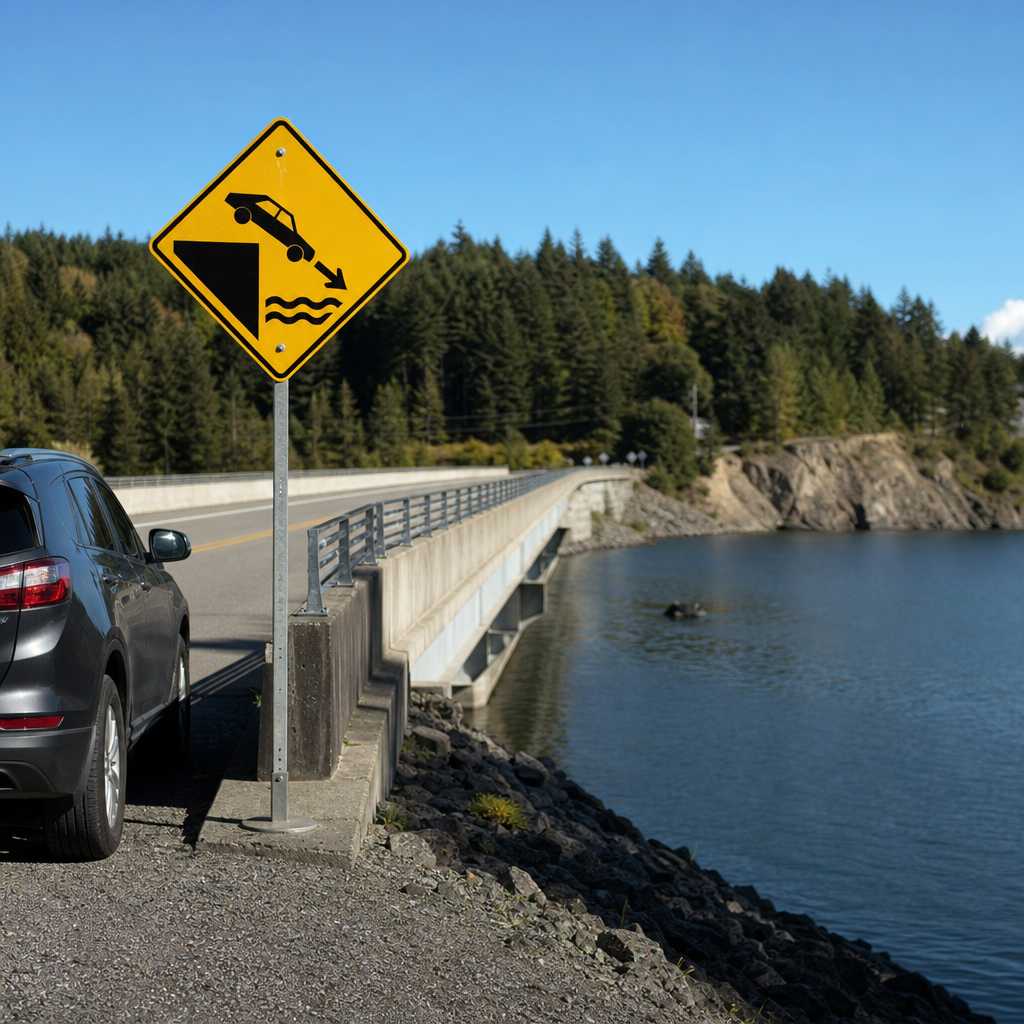
9Snail Crossing
This sign uses an illustration of a snail to ask drivers to slow down in areas where wildlife or pedestrians might be present. The choice of a notoriously slow creature makes the request feel lighthearted while still getting the point across. It has appeared in multiple countries as a creative speed-reduction tactic.
The visual humor makes drivers pause and smile, which often leads to actual speed reduction. Unlike standard "Slow" signs, this one creates a memorable image that people remember and share. It works especially well in scenic or residential areas where aggressive enforcement isn't desired.
Compared to traditional speed limit signs, the snail version feels friendlier and more community-oriented. It shows how visual puns can encourage better driving behavior without relying on fines or fear. Many communities have adopted similar animal-themed warnings with great success.
Watch for these in national parks or beach towns where speed limits are posted creatively. Local tourism boards sometimes feature them in promotional materials highlighting the area's quirky charm.
10Muff Road Sign
The road leading into Muff, a real village in County Donegal, Ireland, features a sign that never fails to amuse English-speaking visitors. The town's name creates an unintended double entendre that has made the sign a popular photo opportunity for decades. Locals embrace the humor and even sell souvenirs featuring the sign.
The sign's enduring appeal comes from its innocent origins combined with the inevitable giggles it provokes. Travelers plan detours specifically to see and photograph it, turning a simple village entrance into a minor tourist attraction. The contrast between the quiet Irish countryside and the sign's comedic effect is part of its charm.
Unlike manufactured roadside attractions, this one exists naturally and has become famous organically through word of mouth and social media. It demonstrates how place names can create unintentional humor that lasts for generations.
Include a stop in Muff on any Ireland road trip itinerary. The village welcomes visitors and has leaned into the sign's fame with local businesses and events celebrating the quirky landmark.
11Beware of Giant Mosquitoes
This oversized warning sign uses exaggerated imagery of massive mosquitoes to remind drivers about insect hazards in swampy or forested regions. The cartoonish scale turns a real nuisance into something laugh-out-loud funny while still delivering the practical message. It has become a favorite among nature photographers and road trippers.
The sign's effectiveness comes from acknowledging how annoying bugs can be without downplaying the need for caution. Drivers often slow down not just for safety but to appreciate the creative artwork. It stands out from standard wildlife signs by embracing humor at a larger-than-life scale.
Similar exaggerated animal warnings appear in other regions with unique pests or wildlife. This version's bold visual style makes it particularly photogenic and shareable online. It proves that even practical warnings can become beloved local landmarks when given a creative twist.
Travel through wetland areas or national forests to find comparable oversized insect or animal signs. Many are featured in state park visitor centers and regional travel guides.
12Road Ends in Water
This blunt warning appears near bodies of water where roads literally terminate at the shoreline or a ferry landing. The direct language leaves no room for misinterpretation, yet the image it conjures still feels comically dramatic. Drivers who encounter it often do a double-take at the sheer finality of the message.
The sign's power lies in its simplicity and the mental picture it paints of an unexpected plunge. It serves as both a practical alert and an unintentional comedy piece that travelers love to share. The contrast between the serious warning and the absurd visual makes it unforgettable.
Unlike more subtle directional signs, this one removes all doubt about what lies ahead. It has inspired countless road-trip stories and photos from people who stopped to document the dramatic endpoint. The straightforward approach ensures safety while providing entertainment value.
Seek out coastal or lakeside roads that end abruptly to experience similar dramatic signage. Many such locations are documented in regional driving guides and photography collections.
13This Sign Has Sharp Edges
A meta warning that points out the obvious danger of the sign itself, this self-referential message appeared in areas with pedestrian traffic or curious visitors. The humor comes from acknowledging something everyone already knows while still fulfilling a legal safety requirement. It turns bureaucracy into comedy gold.
People love it because it feels like the sign is in on the joke with the viewer. The unexpected self-awareness makes an otherwise mundane warning memorable and worth discussing. It has become a minor internet sensation among sign enthusiasts and humor fans.
Compared to standard liability disclaimers, this version embraces the absurdity rather than hiding behind formal language. It shows how even the most basic safety notices can be made engaging with a touch of wit. The sign's popularity proves that self-deprecating humor works even in official contexts.
Look for similar self-aware signage near tourist attractions or construction zones. Many are captured in collections of quirky public notices and shared widely online.
14Caution, Low Flying Aircraft
Similar to the airplane crossing sign but focused on the height hazard, this warning appears near airports where planes pass close overhead. The bold text and accompanying graphic create an immediate sense of drama that makes drivers look up instinctively. It combines real safety information with visual spectacle.
The sign's impact comes from making an unusual hazard feel immediate and memorable. Pilots and frequent travelers recognize it instantly, while first-time visitors get an exciting introduction to the area's unique character. It often becomes a highlight of drives near busy airfields.
This version differs from standard height warnings by using dramatic language that matches the excitement of seeing planes up close. It turns a potential worry into something thrilling that enhances the driving experience. The sign has inspired many photos and travel stories over the years.
Plan routes near regional airports to spot these dramatic warnings. Aviation enthusiasts often maintain lists of the best places to experience low-flying aircraft signage.
15Stop, No Stopping Anytime
This contradictory message combines a stop sign with a "no stopping" restriction, creating an instant paradox that leaves drivers amused and confused. The conflicting instructions turn a simple traffic rule into an unintentional comedy sketch. Photos of it have circulated for years as an example of signage gone hilariously wrong.
The humor arises from the logical impossibility the sign presents. Drivers often pause to puzzle over it, which ironically achieves the opposite of the intended effect. It has become a beloved example of how small design oversights can create lasting roadside entertainment.
Unlike intentional jokes, this sign's comedy is accidental, making it even more endearing to fans of absurd humor. It serves as a reminder that even the most serious infrastructure can produce moments of levity when things don't go according to plan.
Hunt for contradictory or poorly worded signs in older urban areas and construction zones. Sign enthusiast communities and travel blogs frequently document these delightful mistakes for others to enjoy.
These funny (but real!) road signs clearly understand that it’s not the destination, it’s the journey, as noted in a 2025 Reader's Digest feature.
29 Unusual Road Signs were documented in a defensive driving resource highlighting everything from polite stop signs to airplane crossings around the world.
Conclusion
Funny road signs remind us that even the most functional parts of our infrastructure can bring joy and surprise. As electronic messaging becomes more restricted, these classic examples preserve a lighter side of highway communication that drivers will miss.
Keep your eyes open on your next road trip—you never know when a clever sign will turn an ordinary drive into a story worth telling. Safe travels and happy sign spotting!
Frequently Asked Questions
Are these road signs real or staged?
Every sign in this list is based on documented real-world examples shared by drivers, transportation departments, and travel sites. Many have been photographed and verified over multiple years.
Why are funny electronic signs being restricted?
Federal guidelines effective after 2026 emphasize simple, direct messaging to reduce driver distraction. Humorous signs, while popular, are being phased out in favor of clearer text.
Where can I find more funny road signs?
Check state DOT social media archives, road trip photography sites, and collections like Bored Panda for user-submitted images from around the world.
Is it safe to photograph signs while driving?
No—always pull over safely first. Many states actively discourage taking photos from moving vehicles due to safety concerns.
Do any countries still allow humorous road signs?
Yes, some regions outside strict U.S. federal guidelines continue using creative messaging, especially in rural or tourist-heavy areas.
What's the most shared funny sign online?
The "Buckle up, windshields hurt" message and the Muff Road sign in Ireland consistently rank among the most photographed and shared examples.
Can I suggest a funny sign I spotted?
Many travel sites and DOT feedback portals welcome submissions of unusual or humorous signs for their archives and future features.
Are there books or guides about funny road signs?
Several photography collections and travel books compile the best examples, often available through major retailers or regional visitor centers.


