
List of All James Bond Actors
The James Bond franchise stands as one of cinema's most enduring spy series, with actors bringing distinct interpretations to Ian Fleming's iconic 007. From the first TV appearance in 1954 to the gritty modern reboot, each performer has shaped the character's global appeal across seven decades of screen history. Understanding this lineup reveals how the role evolves while staying true to its core of action, wit, and sophistication.
| # | Actor | Years Active | Films | Status |
|---|---|---|---|---|
| 1 | Barry Nelson | 1954 | 1 (TV) | Non-Eon, "Climax!" TV special |
| 2 | Sean Connery | 1962–1967, 1971, 1983 | 7 | 6 Eon + 1 non-Eon (Never Say Never Again) |
| 3 | David Niven | 1967 | 1 | Non-Eon parody Casino Royale |
| 4 | George Lazenby | 1969 | 1 | Eon, On Her Majesty's Secret Service |
| 5 | Roger Moore | 1973–1985 | 7 | Eon |
| 6 | Timothy Dalton | 1987–1989 | 2 | Eon |
| 7 | Pierce Brosnan | 1995–2002 | 4 | Eon |
| 8 | Daniel Craig | 2006–2021 | 5 | Eon |
1Barry Nelson (1954)
Key detail: William H. Brown Jr. | When: CBS "Climax!" TV special, non-Eon
Barry Nelson holds the distinction of being the very first actor to portray James Bond on screen, in a 1954 live television adaptation of Casino Royale produced for the American anthology series "Climax!" — more than eight years before Sean Connery's cinematic debut. Nelson's version reimagined Bond as an American agent named "Jimmy Bond," a significant departure from Ian Fleming's British creation that reflected the production's domestic television audience. The broadcast was largely forgotten for decades until it resurfaced on home video, and today it stands as a curious footnote for completionists tracing the character's earliest screen incarnation before the Star Wars chronology and other franchises adopted similarly sprawling multi-decade timelines.
2Sean Connery (1962–1967, 1971, 1983)
Key detail: Terence Young, Guy Hamilton, Lewis Gilbert | When: Eon Productions films plus one non-Eon
Sean Connery launched the cinematic Bond era with Dr. No in 1962, delivering a rugged, charismatic performance that defined the character for generations and helped the franchise gross billions when adjusted for inflation. His portrayal mixed physicality with dry humor across seven films including From Russia with Love, Goldfinger, Thunderball, You Only Live Twice, Diamonds Are Forever, and the non-Eon Never Say Never Again. Connery's Scottish accent and athletic build brought a fresh edge to Fleming's creation, making Bond a cultural phenomenon much like the Star Wars chronology that later captivated audiences with its own iconic heroes.
3David Niven (1967)
Key detail: Ken Hughes, John Huston, Joseph McGrath | When: Non-Eon spoof Casino Royale
David Niven took on Bond in the 1967 parody Casino Royale, offering a sophisticated, tongue-in-cheek take that contrasted the main series' seriousness and highlighted the character's adaptability across different tones. As an established British actor with a refined screen presence, Niven brought elegance and comedy to the role in a film packed with star cameos. His performance underscored how Bond could thrive in satirical settings while maintaining core spy elements every good movie idea needs to succeed.
4George Lazenby (1969)
Key detail: Peter R. Hunt | When: On Her Majesty's Secret Service
George Lazenby stepped into the tuxedo for the single film On Her Majesty's Secret Service, portraying a more vulnerable and romantic Bond who marries and faces personal tragedy in a story that stands out for its emotional depth. The Australian actor's athletic background and natural charm made him a credible successor to Connery, even if his tenure was brief due to career choices. Lazenby's performance added layers to the character during a transitional period in the franchise similar to tracking the Fast & Furious chronology through its evolving ensemble.
5Roger Moore (1973–1985)
Key detail: Guy Hamilton, Lewis Gilbert, John Glen | When: Seven Eon films from Live and Let Die to A View to a Kill
Roger Moore brought a lighter, more humorous and gadget-heavy Bond to the screen across seven films, emphasizing charm and escapism that helped the series maintain massive box office success throughout the 1970s and 1980s. His portrayal in titles like The Spy Who Loved Me, Moonraker, and Octopussy leaned into self-aware wit while delivering iconic stunts and villains. Moore's long run solidified Bond as family-friendly entertainment with broad appeal, echoing Oscar heavyweights that owned the race through consistent star power and franchise longevity.
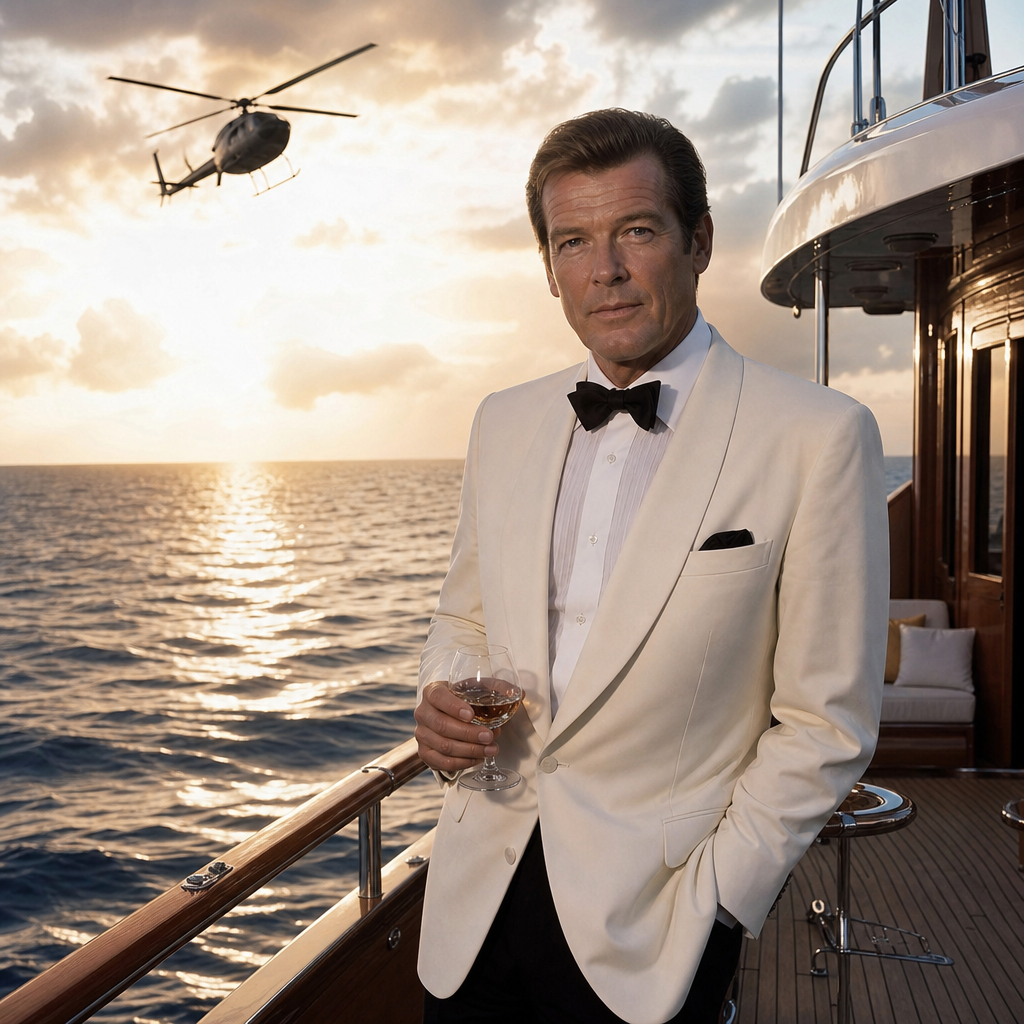
6Timothy Dalton (1987–1989)
Key detail: John Glen | When: The Living Daylights and Licence to Kill
Timothy Dalton delivered a darker, more intense and book-accurate Bond in two films, focusing on psychological depth and brutal action that appealed to fans seeking a grittier take on the character. His performances in The Living Daylights and Licence to Kill emphasized Fleming's original vision with fewer gadgets and more moral complexity. Dalton's tenure bridged the Moore and Brosnan eras while influencing later reboots, much like how beautiful movie soundtracks enhance emotional impact in spy thrillers.
7Pierce Brosnan (1995–2002)
Key detail: Martin Campbell, Roger Spottiswoode, Michael Apted, Lee Tamahori | When: Four Eon films starting with GoldenEye
Pierce Brosnan revived Bond for the post-Cold War era with four stylish films that blended high-tech action, global locations, and charismatic leading-man appeal, achieving strong box office returns like the $352 million for GoldenEye. His portrayal in Tomorrow Never Dies, The World Is Not Enough, and Die Another Day mixed classic charm with modern visuals and memorable villains. Brosnan's era kept the franchise relevant amid changing tastes, comparable to bizarre horror movies that push genre boundaries with unexpected twists.
8Daniel Craig (2006–2021)
Key detail: Martin Campbell, Marc Forster, Sam Mendes, Cary Joji Fukunaga | When: Five Eon films ending with No Time to Die
Daniel Craig redefined Bond with a raw, physically demanding, and emotionally layered performance across five films, starting with the acclaimed Casino Royale reboot that grossed over $600 million and ending with No Time to Die in 2021. His gritty take humanized the character through personal stakes, intense fights, and a darker tone that revitalized the series for contemporary audiences. Craig's run delivered critical and commercial peaks including Skyfall's $1.1 billion haul, proving the character's timeless draw in a world of evolving blockbusters.
Conclusion
These eight actors have collectively carried the James Bond legacy through more than six decades of cinematic innovation, each adding unique flavor while preserving the essence of Fleming's creation. Their portrayals reflect shifting cultural landscapes from Cold War intrigue to modern global threats. The franchise continues to evolve, inviting new generations to experience 007's world.
Frequently Asked Questions
Who was the first James Bond actor?
Barry Nelson was technically the first, playing an Americanized "Jimmy Bond" in a 1954 CBS TV special. On the big screen and in the official Eon series, Sean Connery originated the role in 1962's Dr. No, establishing the look, mannerisms, and action style that defined the character for all future portrayals.
How many actors have played Bond in Eon films?
Six actors have portrayed Bond in the official Eon Productions series: Connery, Lazenby, Moore, Dalton, Brosnan, and Craig, spanning 25 films through 2021. Counting the two non-Eon portrayals — Barry Nelson's 1954 TV special and David Niven's 1967 parody — brings the total to eight actors across all screen appearances.
Did David Niven count as an official Bond?
David Niven played Bond in the 1967 non-Eon parody Casino Royale, making him part of the broader film portrayals but outside the main continuity of Eon Productions films.
Is there a new James Bond actor announced in 2026?
As of August 2026, no official casting announcement has been made for the next Bond after Daniel Craig, though rumors continue around several high-profile actors in final considerations.
Which Bond actor appeared in the most films?
Both Sean Connery and Roger Moore appeared in seven Bond films each when including Connery's non-Eon appearance in Never Say Never Again.
Why did George Lazenby only do one film?
George Lazenby chose not to return after On Her Majesty's Secret Service due to personal career advice and a desire to avoid typecasting, despite positive reviews for his performance.
What makes Daniel Craig's Bond different?
Craig's version emphasized realism, emotional vulnerability, and intense physical action, rebooting the franchise with a darker tone that resonated with modern audiences and earned critical acclaim.
Where can I watch all the Bond films?
The complete Eon series is available on major streaming platforms and physical media collections, with rights managed by MGM and Amazon following recent corporate changes.


