
- 🥇 Best Overall: Join Local Classes — Consistent shared activity builds bonds quickly
- 💰 Best Value: Volunteer Regularly — Free, purposeful, and naturally social
- 📱 Best Tech Option: Bumble BFF App — Swipe to match with same-stage friends
- 🏃 Best Active: Sports Leagues via Meetup — Weekly commitment + fitness bonus
- 🏠 Best Low-Effort: Host Small Gatherings — Leverage your space for recurring invites
| # | Name | Best For | Price | Rating |
|---|---|---|---|---|
| 1 | Enroll in Classes & Workshops | Introverts seeking structured, low-pressure interactions | Free–$150 per course | ★★★★★ |
| 2 | Volunteer with Local Groups | Those wanting purpose-driven connections | Free | ★★★★☆ |
| 3 | Use Bumble BFF & Similar Apps | New city residents or busy professionals | Free (Premium $17–$70/mo) | ★★★★☆ |
| 4 | Join Sports Leagues & Hobby Meetups | Active adults craving weekly routines | $20–$150 per season | ★★★★★ |
| 5 | Host Recurring Small Events | Homebodies ready to initiate consistently | Free–$50 supplies | ★★★★☆ |
The friendship recession is real: the share of U.S. adults with no close friends has quadrupled since 1990. You don’t need to accept isolation. These five evidence-based approaches deliver measurable results because they create repeated, low-stakes contact around shared interests or goals.
1Enroll in Classes & Workshops
Best for: Adults who prefer structured environments where conversation flows naturally from the activity.
Signing up for a recurring class turns strangers into familiar faces over 6–12 weeks. Cooking schools, improv theaters, language centers, and community colleges run hundreds of options every semester. A 2026 guide from Skip the Small Talk highlights that classes succeed because the shared task removes the pressure of “what do we talk about?”
Expect to pay $80–$150 for an 8-week pottery or Spanish course at local studios; many libraries and parks departments offer free or $20 drop-ins. Real example: a 10-week improv class at Chicago’s Second City annex runs $125 and meets weekly. You’ll practice active listening while laughing, which accelerates bonding.
Start with one 90-minute weekly commitment you can keep. Arrive 10 minutes early and stay 10 minutes late to chat. Skip one-off workshops; consistency is the differentiator. Avoid if you hate homework—choose activity-only classes like dance or hiking groups instead.
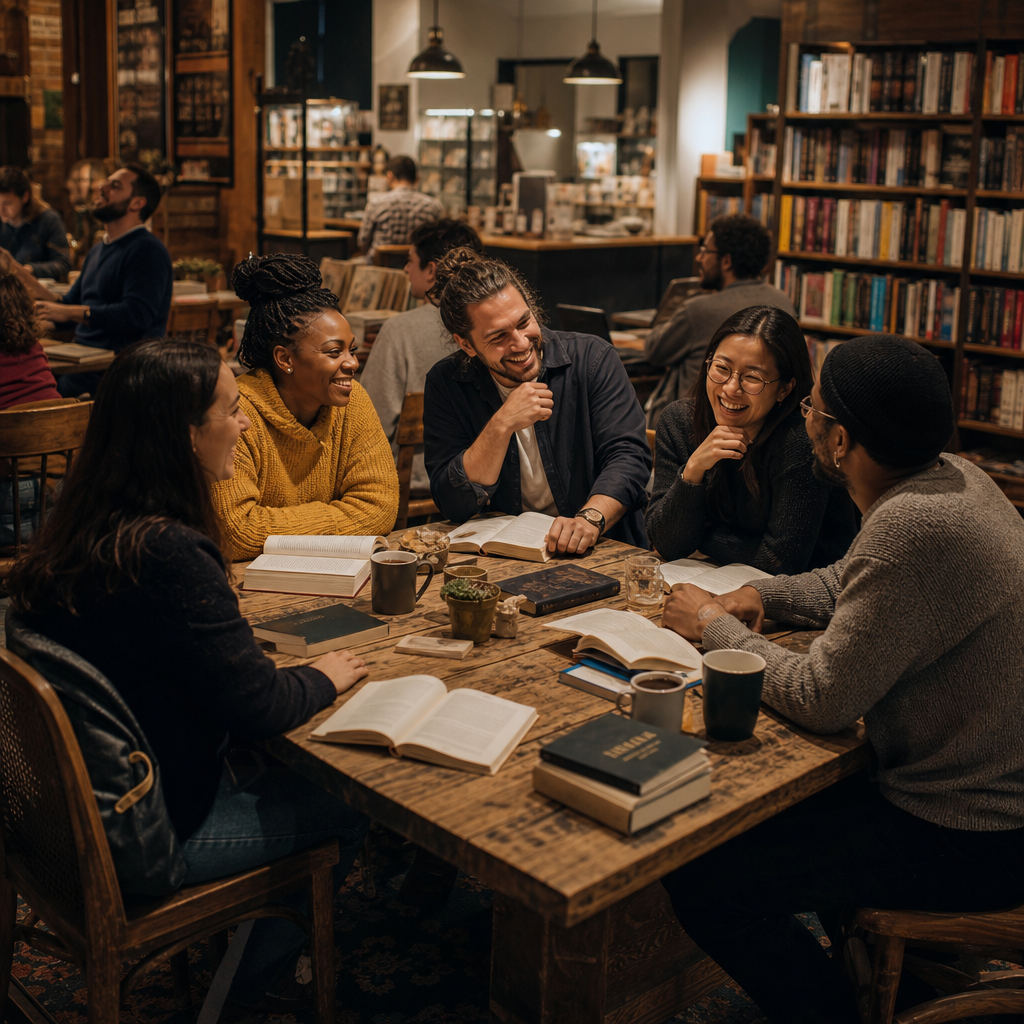
2Volunteer with Local Groups
Best for: People who want friendships that also create positive impact and shared purpose.
Volunteering ranks among the highest-success methods because it pairs altruism with repeated proximity. Sites like Idealist connect you to ongoing roles at food banks, animal shelters, and trail clean-ups that meet weekly. You’ll bond over tasks like sorting donations or planting trees rather than forced small talk.
Most opportunities are completely free. Meetup lists over 629 active volunteering groups nationwide with 508,000 members. A typical Saturday shift at a Second Harvest food bank runs 3–4 hours; regulars often form carpool groups or post-shift coffee traditions. Data shows volunteers report 20–30% higher social satisfaction after three months of consistent service.
Commit to the same shift time every week for at least two months. Introduce yourself by name and ask one follow-up question about the task. Skip if you need immediate one-on-one depth—volunteering shines for gradual, group-based friendships.
3Use Bumble BFF & Similar Apps
Best for: Adults in new cities or with unpredictable schedules who want curated matches.
Bumble BFF uses the same swipe interface as the dating app but filters for platonic connections. You set age range, gender preferences, and interests, then match and chat before meeting. A 2026 Fodor’s test in Indianapolis found Bumble BFF delivered three in-person meets in six weeks—higher than competitors like BeFriend or Friended.
The app is free to download and use basic matching. Premium features (unlimited swipes, see who liked you) start around $17.99/week or $32.99/month; longer plans drop to roughly $10–14/week. Profiles emphasize hobbies, so a hiking enthusiast can filter for outdoor partners quickly.
Send the first message within 24 hours referencing a shared interest. Suggest a low-pressure 30-minute coffee within the first week of chatting. Avoid if you dislike texting—success rate drops without prompt follow-through.
4Join Sports Leagues & Hobby Meetups
Best for: Energetic adults who thrive on routine physical or creative activity.
Co-ed rec leagues and Meetup groups create built-in weekly rituals. Kickball, pickleball, or board-game nights run 6–10 week seasons. Meetup.com hosts thousands of events weekly; search “pickleball” or “book club” in your city and you’ll see 5–15 options. According to Meetup’s own friendship resources, regular attendance converts casual acquaintances into close friends faster than bars or one-offs.
League fees typically range $20–$150 per season including jerseys and playoffs. A Chicago Social Events kickball league costs $85 for eight weeks plus post-game happy hours. Meetup events themselves are almost always free or $5–10 for venue costs.
Show up every week even if tired—momentum matters. Wear a name tag the first two sessions. Pair with someone for post-event walks or coffee. Skip if you’re extremely competitive; choose casual “no experience needed” divisions.
5Host Recurring Small Gatherings
Best for: Adults comfortable initiating and who prefer home-based, low-cost connection.
Hosting flips the script: instead of chasing invites, you create them. Start a monthly brunch, Sunday board-game night, or Wednesday walk-and-coffee. Research from adult-friendship experts shows casual, consistent contact is the single biggest predictor of lasting bonds.
Cost stays under $50 per event if you ask guests to bring snacks or drinks. A simple “people I like” drop-in from 4–6 p.m. on Sundays requires zero fancy prep. One Substack writer reported turning acquaintances into core friends by hosting exactly these low-stakes gatherings.
Send calendar invites two weeks ahead and follow up personally. Keep the group 4–8 people initially. Rotate venues or themes to keep energy high. Avoid if you dislike planning—delegate food or use apps like Partiful for RSVPs.
Pick one method that matches your energy and schedule, then commit for 60 days. Real friendships emerge from repeated exposure, not perfect first impressions. Start this week—your future social circle is waiting.
Frequently Asked Questions
How long does it take to make real friends as an adult?
Expect 2–3 months of consistent weekly contact before conversations deepen. Studies on repeated exposure show bonds solidify around the 8–10 interaction mark.
Is it weird to go to events alone?
Not at all—most attendees at classes, Meetups, and leagues arrive solo. Organizers design events for newcomers; name tags and icebreakers are standard.
What if I’m introverted or socially anxious?
Structured activities like classes or volunteering reduce pressure. Start with one 60–90 minute commitment and leave early if needed; presence matters more than perfection.
Are paid apps worth it for friendship?
Basic versions of Bumble BFF and Meetup work well free. Premium mainly speeds matches; many users succeed without paying by being active daily.
Can I make friends in a small town?
Yes—virtual options plus driving 30–45 minutes to nearby cities expand options. Local libraries and community centers still run classes and volunteer shifts.
How do I turn acquaintances into closer friends?
After 3–4 meetings, suggest a one-on-one follow-up like coffee or a walk. Explicitly say “I’d love to hang out again” to move past group-only contact.
What if previous attempts failed?
Track attendance like a habit: block the same time weekly. Most failures stem from inconsistency rather than personality. Restart with a new activity type.
Are there gender-specific tips?
Men often succeed faster in activity-based groups like sports leagues. Women report strong results in book clubs and volunteering. Choose based on your interests, not demographics.


