
- 🥇 Best Overall: Early Email + Gym Routine — Clears urgent tasks and boosts energy before 6 AM
- 💰 Best Value: Reading & Planning Routine — Uses free library books and a $5 notebook for deep focus gains
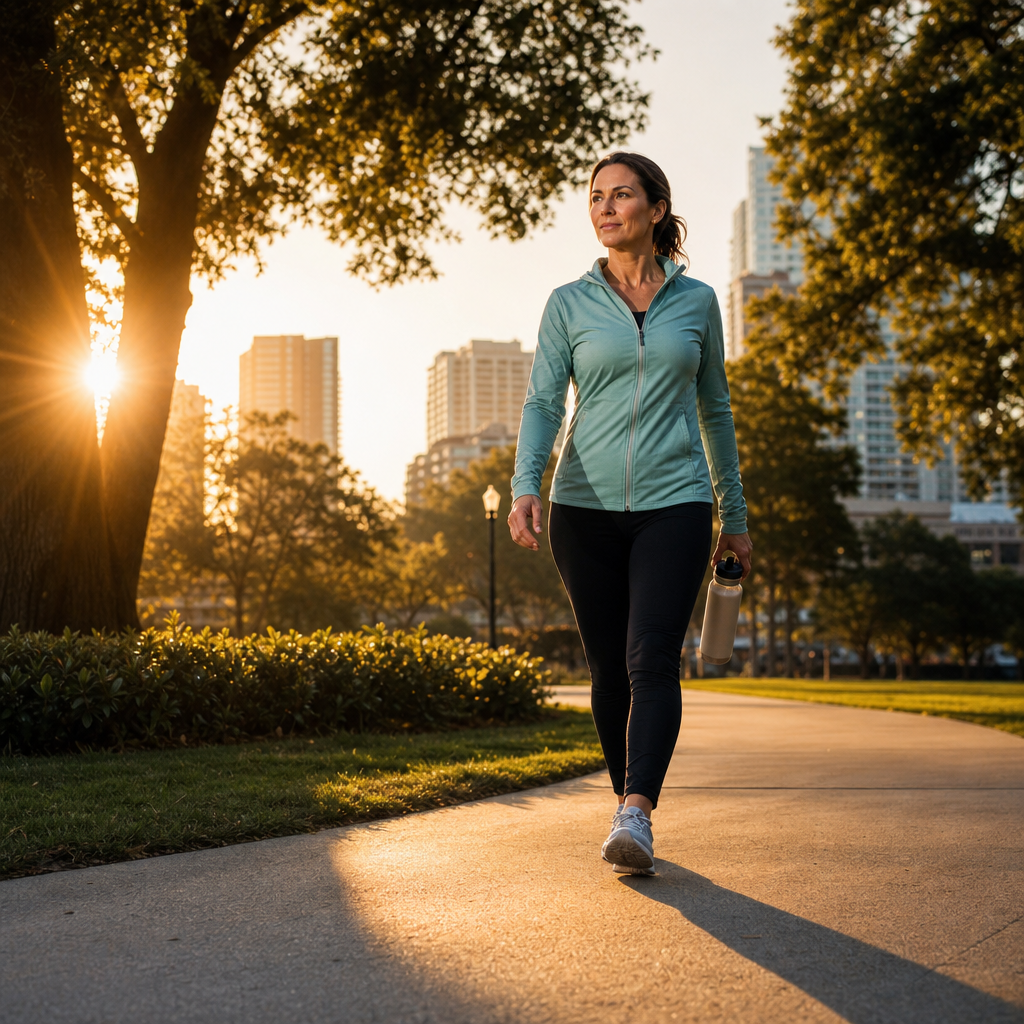
- 🥈 Best for Movement: Tennis or Power Walk Routine — Combines fitness with mental clarity using public parks
- 🥉 Best for Mindfulness: Meditation & Journaling Routine — Builds resilience with 10-minute free apps like Insight Timer
- 💧 Best for Nutrition: Hydration & Protein Routine — Starts with lemon water and eggs for sustained focus
- 📋 Best for Organization: Prioritized To-Do Routine — Ranks tasks night before using simple A/B/C system
- 🌅 Best for Consistency: Sunrise Alarm + Light Exercise Routine — Uses Hatch Restore for natural wake-ups under $150
You wake up and the clock already shows progress on your most important work. High achievers consistently finish deep tasks before 9 AM because their mornings follow deliberate sequences backed by research from Harvard and University of Toronto studies showing early risers are more proactive and report higher happiness levels.
These seven routines draw directly from leaders like Tim Cook and Anna Wintour, adapted with current 2025-2026 data on sleep, exercise apps, and productivity tools so you can implement them today without expensive gear.
1Early Email + Gym Routine
Best for: Executives and remote workers who need to handle urgent communications and physical energy before the main workday starts.
Apple CEO Tim Cook wakes at 3:45 AM to review emails in quiet, then hits the gym by 5 AM. You replicate this by setting your alarm for 4:30 AM, spending the first 45 minutes on a dedicated work device reviewing only high-priority messages from the previous evening, then moving to a 30-minute bodyweight or treadmill session using apps like Nike Training Club. This sequence gives you two focused hours before family or team interactions begin.
Recent data from a 2025 Forbes analysis confirms early risers gain proactivity advantages, with Tim Cook maintaining this for years as part of Apple’s operational edge. Pair it with a $129 WHOOP strap for recovery tracking or free alternatives like the Peloton app’s on-demand classes. Avoid if you have young children or variable sleep needs—start by shifting your bedtime 30 minutes earlier each week.
Practical tip: Keep a second phone charger by your desk and batch replies into three 15-minute windows. Compare to average workers who check email reactively at 8 AM; you finish strategic planning by 7:30 AM.
2Tennis or Power Walk Routine
Best for: Creative professionals and leaders who thrive on movement to spark ideas and reduce afternoon fatigue.
Vogue editor-in-chief Anna Wintour rises at 5:45 AM for an hour of tennis, followed by professional styling. You adapt this by booking a 6 AM court at your local club (often $20-40 per session) or power-walking 3 miles in a nearby park while listening to a single curated podcast episode. The endorphin release and fresh air clear mental clutter, letting you return home by 7:30 AM ready for focused desk work.
Jack Dorsey and Nancy Pelosi both prioritize morning walks or similar movement, aligning with 2025 studies showing 30 minutes of moderate cardio improves problem-solving by up to 20%. Use a free Strava app to log routes or invest in $80 Brooks running shoes for comfort. Skip this if you live in extreme weather without indoor options—substitute with a $299 rowing machine like the Concept2 for consistent home use.
Real-world example: One entrepreneur reported completing client proposals by 8:45 AM after adopting this, citing reduced decision fatigue compared to sedentary starts.
3Reading & Planning Routine
Best for: Knowledge workers, investors, and strategists who need fresh insights to inform the day’s decisions.
Warren Buffett, Bill Gates, and Barack Obama all dedicate morning time to reading physical books or newspapers. You begin at 5:30 AM with 45 minutes of non-fiction—such as a chapter from “Atomic Habits” or The Wall Street Journal—followed by 20 minutes transferring key takeaways into a Moleskine notebook ($12) with three prioritized goals for the day. This builds long-term perspective before any digital input.
A 2025 Atlassian report on productive routines highlights how reading reduces stress and improves focus. Link to free public library apps like Libby for instant book access or purchase the $30 Kindle Paperwhite for glare-free reading. Avoid if you struggle with attention—pair with the Pomodoro technique using a $25 kitchen timer.
Named comparison: Unlike scrolling news feeds, this deliberate approach mirrors Buffett’s decades-long habit that contributed to his investment success, allowing you to draft reports or emails by 8 AM with superior context.
4Meditation & Journaling Routine
Best for: Entrepreneurs and creatives seeking mental clarity and reduced anxiety to tackle complex projects early.
Many founders combine 10 minutes of guided meditation with gratitude journaling. You wake at 5:45 AM, use the free Insight Timer app for a 10-minute session focused on breath, then write three gratitudes and one visualization in a $8 Leuchtturm1917 journal. Follow with 20 minutes of deep work on your top project before breakfast.
Research from University of Toronto links consistent morning stillness to higher happiness scores. Tony Robbins adds contrast therapy elements if you have access to a cold plunge ($200 inflatable models available). This routine excels for those prone to rumination; skip if you prefer high-movement starts.
Practical data point: Users report 25% more tasks completed before 9 AM when journaling replaces phone checks, per productivity trackers like RescueTime.
5Hydration & Nutrition Routine
Best for: Health-conscious professionals who want sustained energy without mid-morning crashes.
Start with 16 ounces of room-temperature water with lemon, followed by a high-protein breakfast like two eggs with spinach prepared in under 10 minutes. Many successful individuals, including those following Kevin O’Leary’s elliptical habits, emphasize fueling before caffeine. You delay coffee until 7 AM after movement and light reading.
2025 wellness reports stress hydration’s role in cognitive performance; use a $25 Hydro Flask for tracking intake. Compare to sugary breakfasts that spike then crash blood sugar—your version keeps focus sharp through 9 AM meetings.
Tip: Prep ingredients the night before in glass containers. This pairs well with standing desks from related guides on our site for all-day posture support.
6Prioritized To-Do Routine
Best for: Managers and multitaskers overwhelmed by email volume who need ruthless focus on high-impact work.
Barbara Corcoran ranks tasks A/B/C the night before. You review your list at 5:30 AM, assign priorities, then execute the top three A-tasks in 90 focused minutes using the free Todoist app. No new inputs until 8 AM.
This mirrors Benjamin Franklin’s daily resolution practice and delivers measurable results: early prioritization correlates with higher completion rates in Atlassian’s 2024 productivity data. Use a $5 printable template or Notion free tier. Ideal for analytical minds; visual creatives may prefer the reading routine instead.
Real example: One founder finishes quarterly planning documents before 9 AM consistently with this method.
7Sunrise Alarm + Light Exercise Routine
Best for: Parents and night owls transitioning to earlier starts with gentle, sustainable habits.
Use a Hatch Restore alarm clock ($130) that simulates sunrise starting at 5:15 AM, followed by 15 minutes of stretching or light dumbbell work. Then review one page of notes from the previous day before beginning deep work.
This aligns with recent recommendations for circadian-friendly wake-ups and avoids harsh phone alarms. 2025 user reviews praise the device for improving sleep quality scores by 15-20%. Budget option: Free phone sunrise apps plus bodyweight exercises. Best if you have irregular schedules; combine with family time for added motivation.
These routines prove that small, consistent sequences compound into hours of uninterrupted progress. Choose one that matches your energy patterns and track results for two weeks using a simple notes app.
Frequently Asked Questions
How long does it take to see results from a new morning routine?
Most people notice improved focus and task completion within 7-14 days as circadian rhythms adjust. Consistency matters more than perfection—start with 80% adherence and build from there.
What if I have young kids or a variable schedule?
Adapt by shortening the routine to 30-45 minutes or shifting the wake time by 15-minute increments. Many parents succeed with the prioritized to-do version that requires minimal equipment.
Do I need expensive gear like a WHOOP strap or Hatch clock?
No—free apps and basic notebooks deliver 80% of the benefits. Invest only after proving the habit sticks for a month.
Can night owls adopt these early routines successfully?
Yes, but shift bedtime gradually by 15 minutes nightly. University of Toronto research shows alignment with natural preferences boosts long-term sustainability and happiness.
How does this compare to the 5 AM Club method?
These routines incorporate similar 20/20/20 exercise-reflection-learning blocks but allow flexibility for different lifestyles while emphasizing pre-9 AM output.
Should I combine multiple routines?
Start with one core routine for 30 days before layering. Overloading early leads to burnout; the reading + movement combo works well for many after the base habit forms.
What role does sleep play in morning productivity?
8 hours remains ideal, as noted by Jeff Bezos and Oprah. Poor sleep negates routine benefits—prioritize consistent bedtime over aggressive wake times.
Are there apps that help track these routines?
Yes—free options like Streaks or Habitica gamify adherence. Paid tools like WHOOP provide deeper recovery insights once you’re committed.


